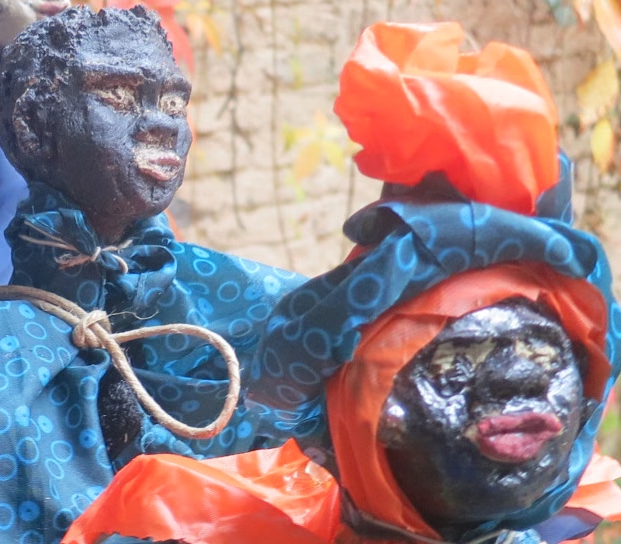
Dieudonné & Fatoumata
Dieudonné Diabaté and Fatoumata Kidong left everything behind in hopes of a better future.
A traveling installation featuring over a hundred refugees fleeing war and violence.
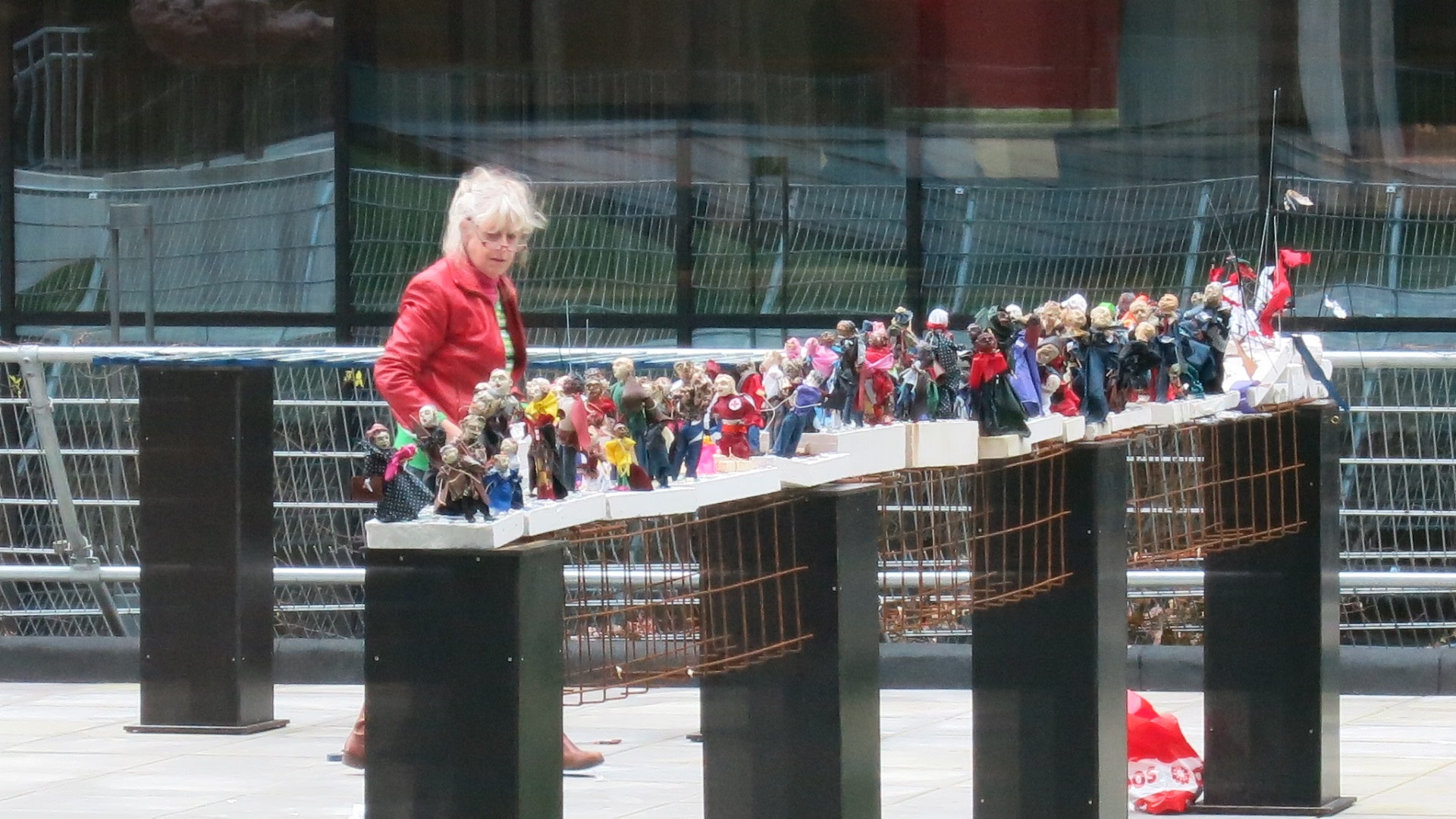
Each has a distinct face, a personal story. You can read these on the files hanging from the pedestals.
Umbrellas offer shelter, but they also symbolize "passing the buck"—shifting responsibility on to higher-ups. From that perspective, Els chose to construct the sculptures using broken umbrellas.
The heads are made of ceramic. The clay, the stones in which they stand, the reinforcing mesh—they all refer to building homes. Homes that all these refugees are desperately searching for.
A smaller installation depicts the boat refugees. The glass and mirrors are captivating, yet fragile and dangerous. The artwork steadily expands: a cemetery, a tent camp, and soldiers appear.
Renate Els Aerts' work is rooted in the current refugee crisis while also drawing parallels to refugees from the distant past. Starting in October 2015, she created the first sculptures, which were joined by new additions each week. This traveling exhibition will culminate at the Beguinage Church in Brussels.
Each sculpture represents a personal file and a human testimony.
Dieudonné Diabaté and Fatoumata Kidong left everything behind in hopes of a better future.
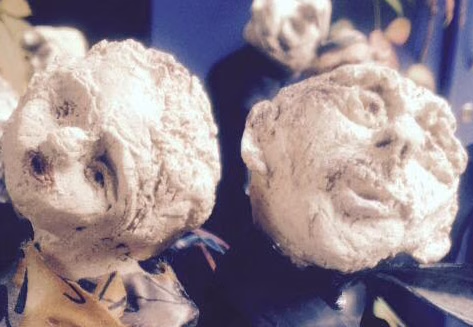
Mr. and Mrs. Assi-El Houari from Iraq. He is an engineer, she an office clerk. Behind them stands the elderly gentleman who, leaning on his cane, braved the crossing anyway.
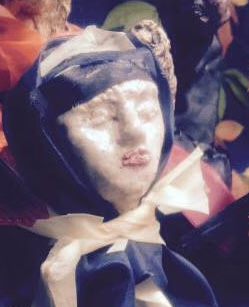
Laura Rabau, along with her brother and sister, comes from Syria. She had to leave her children behind, fearing they could not survive the journey. Her nephew went missing along the way, but was fortunately found in Germany.
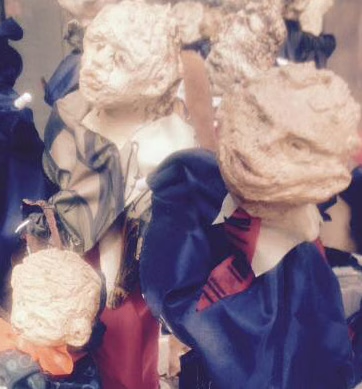
The Bouzambou family with their young son Omar. His grandmother knitted a bright orange sash so he would stand out more in the crowded masses.
Zara Zanoui, standing in the cold rain before closed borders.